


7 checks before you buy chocolate online
Buying chocolate online is convenient, but the product you receive depends on more than price. For Canadian shoppers—especially those seeking imported or nostalgic Indian candies and bars—you should confirm authenticity, ingredients, packaging and the true cost before you place an order. This checklist walks you through seven concrete checks so you can buy chocolate online with confidence and use promotions like a first-order discount or free-shipping threshold wisely.
1. Verify the seller and brand authenticity
Start by confirming the shop is a legitimate retailer and that listed brands are genuine. Check the site for a full contact page, a business address, return policy, and visible product pages for recognized brands. If you expect to buy specific Indian bars or candies, verify the seller lists them by name and shows clear packaging photos. For example, Tadkasnacks lists popular items and branded product pages such as the 5 star chocolate product page, which helps confirm brand availability on the site.
How to spot weak listings
- Missing ingredient lists or no product photos from different angles.
- Contact details limited to a social media handle with no business address.
- Price or packaging that looks significantly different from known retail packaging.
When to ask for provenance
If you are ordering a large quantity or a rare imported item, ask the seller for batch codes, a photo of the product label, or proof of purchase from an authorised distributor before you pay. This is a reasonable request and reputable sellers will provide evidence quickly.
2. Read ingredient lists and allergen declarations
Labels tell you whether a product is real chocolate, what allergens are present, and whether fillers or substitute fats were used. A reliable wrapper will list cocoa mass or chocolate liquor, cocoa butter, and any dairy or nut allergens. Avoid items that list unspecified "vegetable fats" in place of cocoa butter if you want true chocolate texture and flavour. Practical label-reading advice from experienced tasters and consumer tips for Canadian buyers can help you interpret those listings when a product is imported or translated.
Quick label fields to scan
- Cocoa percentage and presence of cocoa mass or chocolate liquor.
- Ingredient order; the first few items are the largest components.
- Allergen statements such as "contains milk, nuts, soy" or "may contain traces of..."
Why wording matters
Wording such as "contains vegetable fats" or "hydrogenated oils" usually indicates substitution for cocoa butter and will change texture and mouthfeel. If allergens are not clearly declared on an imported label, request a translated ingredient list before you buy.
See practical guidance on how to choose chocolate and reading labels from experienced tasters and consumer resources for further detail: How to Choose Good Chocolate and YellowPages.ca's buying guide.
3. Match the chocolate format to your purpose
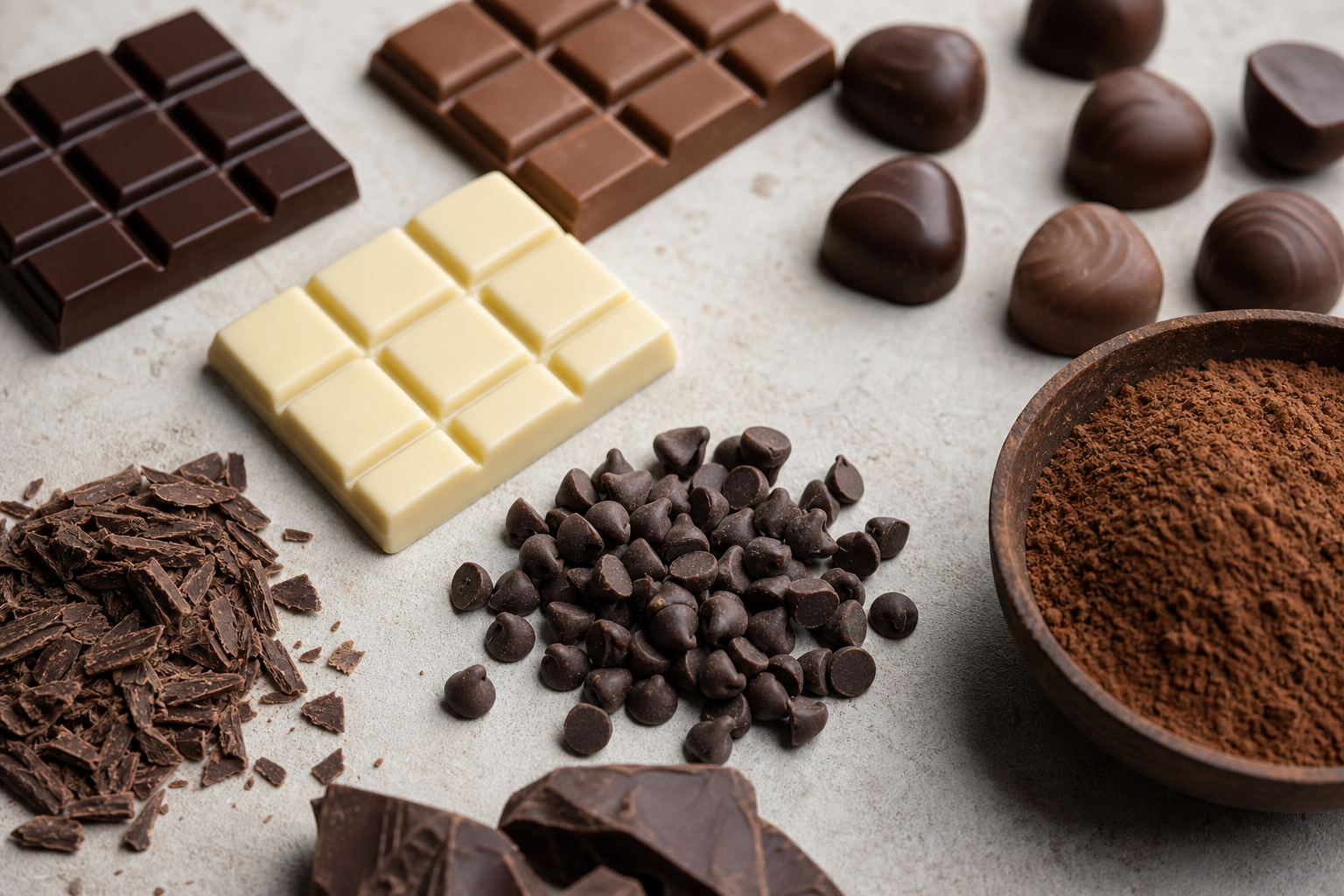
Choose the right format for what you will do with the chocolate. Bars and couverture blocks are best for baking and tempering because they melt predictably. Individual truffles, wrapped pieces, or boxed assortments are better for gifting. For imported candies such as lollipops or packaged sweets, check pack sizes and whether the seller sells single units or multipacks so you do not overbuy.
Format decision checklist
- Baking: choose bars, blocks, or wafers with clear cocoa percentage and limited additives for better melt and texture.
- Gifts: select individually wrapped pieces or curated boxes to avoid breakage and ensure presentation.
- Everyday snacking or nostalgia buys: individual packs or multipacks are the most cost effective and travel-friendly.
Practical example
If a recipe calls for 70 percent dark chocolate, pick a bar with a stable cocoa butter content rather than a novelty bar with unknown fats. For tips on matching formats to tasks, see guidance on choosing chocolate for baking and online chocolate buying notes: How to choose chocolate for baking and an online buying overview at Chocolates Online.
4. Evaluate quality signals for dark, milk and novelty chocolates
Quality signals vary by style. For dark chocolate, a higher cocoa percentage often means more cocoa flavour and less sugar, but origin and processing also matter. For milk and novelty bars, brand reputation and minimal additives generally give better flavour. Declared origin or single-origin claims, a clear ingredient list, or a reputable manufacturer are helpful signs that the maker is transparent about sourcing and production.
Practical rules of thumb
- Dark chocolate: expect a clear cocoa percentage and a short ingredient list with cocoa mass and cocoa butter rather than many vegetable fats.
- Milk chocolate: check for dairy content and note whether sugar precedes cocoa in the ingredient list, which affects sweetness.
- Imported novelty bars and candies: compare the item photo to well-known retail packaging to confirm it matches.
For more on interpreting cocoa percentage and nutritional trade-offs, see Healthline's buyer's guide to dark chocolate and additional tasting guidance: Dark Chocolate: The Ultimate Buyer's Guide and How to Choose Good Chocolate.
5. Check packaging and shipping suitability for Canadian delivery
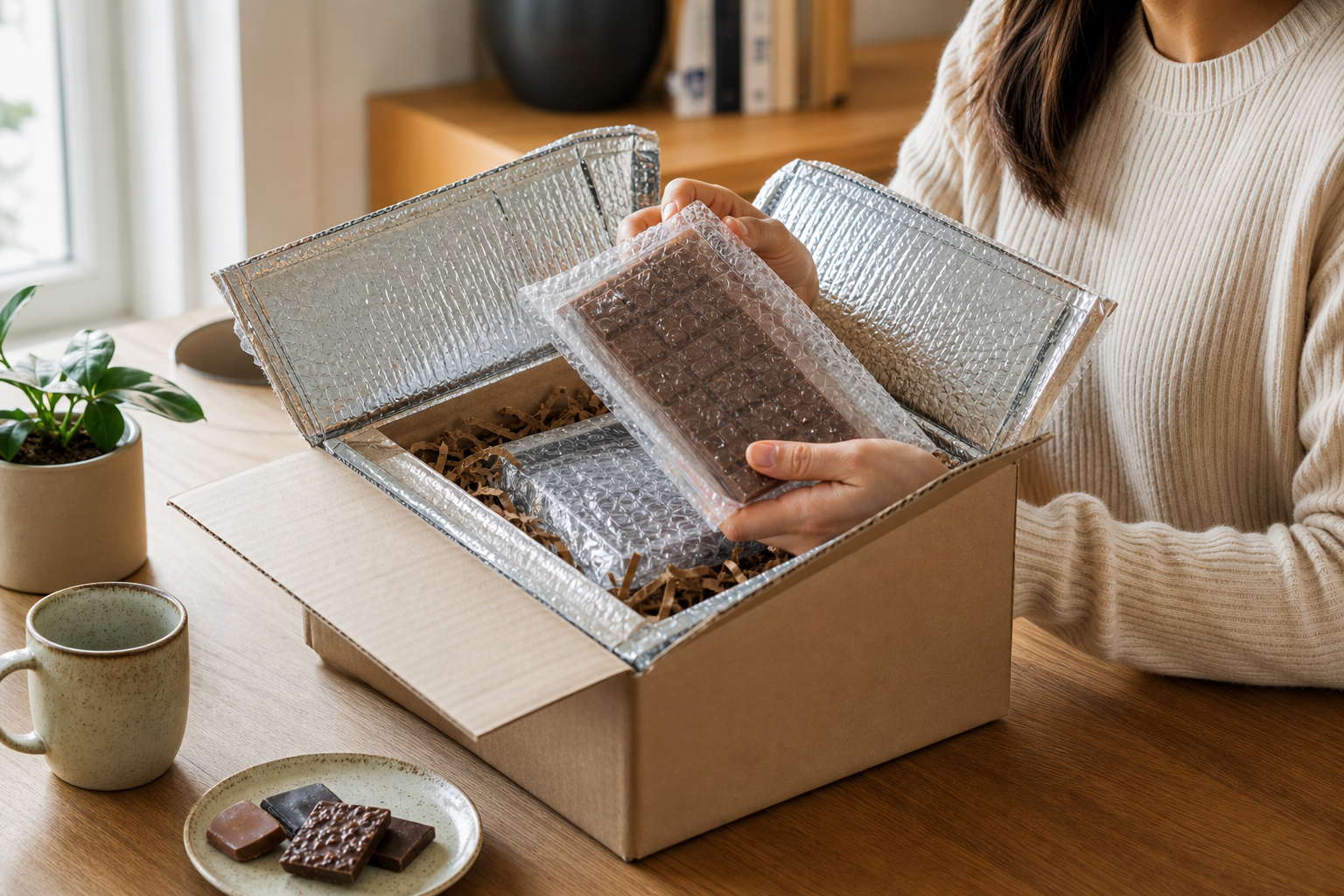
Packaging matters for chocolate. Heat, rough handling and long transit can melt or break bars and damage soft centres. Look for seller notes about insulated packaging, cold-season handling, or special cushioning. Sellers that explain their shipping carriers and packing method give you confidence your order will arrive intact. Also check whether the retailer ships to your province and whether there are seasonal shipping advisories.
Packing claims that make a difference
- Insulated boxes or cold packs during warm months.
- Sturdy padding and separate compartments for fragile pieces.
- Clear carrier options and service levels so you can choose faster shipping if needed.
If a seller mentions timed dispatch, avoids weekend shipping, or offers temperature-controlled packing, that reduces the risk of melted centres in summer. Retailers that publish shipping notes and seasonal advice are easier to trust when you order imported sweets online. For more on online packing and transit considerations see a general overview on buying chocolates online: Chocolates Online.
6. Compare price, promotions and total landed cost
Calculate the true cost before checkout. Add the item price, taxes, and shipping and subtract any first-order discounts or promotions the seller offers. A short first-order discount is common: many stores advertise a percentage off first purchases, and free shipping over a threshold can change whether you add a second item or pay delivery. For example, a retailer that lists a 15 percent discount on first orders and free shipping over $50 creates two straightforward levers to reduce the final cost.
How to compare quickly
- Note item price and the quantity you need.
- Estimate taxes based on your province if not shown.
- Add shipping unless your cart meets a free-shipping threshold such as $50.
- Apply any visible promo codes and confirm the discount appears before you enter payment.
Sample worked example
Suppose a bar costs $20. With a 15 percent first-order discount you save $3, lowering the item price to $17. If free shipping applies only for orders above $50, consider adding smaller items to reach that threshold only if doing so still reduces the per-item landed cost after the discount and taxes. Always confirm the final cart total, including taxes, before you complete payment.
When a store publishes both a first-order discount and a free-shipping threshold, use both levers to compare the landed cost and decide whether adding an extra item saves money.
7. Confirm expiry dates, storage guidance and returns policy
Perishable confections require attention to best-before dates and storage instructions. If expiry or packed dates are not visible on the product page, ask the seller for a photo of the label showing the best-before date and handling recommendations. Also read the returns and refund policy for perishable or damaged items so you know the process if a shipment arrives melted or stale.
Questions to ask the seller before you buy
- What is the best-before date or packed-on date shown on the specific batch you will ship?
- How does the seller handle refunds or replacements for melted, damaged, or expired items?
- Are there storage instructions to follow as soon as the package arrives?
When a seller gives clear answers and, where appropriate, supplies label photos, you have stronger evidence the product will arrive in good condition and with an acceptable shelf life. For notes on realistic expectations for perishable goods in transit, see online chocolate buying advice at Chocolates Online and label guidance at How to Choose Good Chocolate.
Frequently asked questions
How can I tell if an online seller stocks authentic Indian chocolate and candy
Look for product pages that display full packaging images, ingredient labels and brand names, a clear contact page with business address, and a visible returns policy. If a seller lists known Indian brands by name and shows matching packaging, that is a positive sign. You can request a photo of the label or batch code if you want additional verification.
What chocolate formats travel best by post across Canada
Individually wrapped candies and unopened multipacks travel best because they resist crushing and moisture. Solid bars also travel well if they are well packed in sturdy boxes. Soft-centred chocolates and artisan truffles are more vulnerable to heat and rough handling and require insulated packing or faster shipping to arrive in good condition.
Does cocoa percentage always mean better chocolate
No. Cocoa percentage indicates the balance between cocoa solids and sugar, but higher percentage does not automatically mean better. Taste, cocoa origin, processing and the chocolate maker's skill all affect quality. For dark chocolate, check the ingredient list for cocoa mass and minimal additives as an additional quality signal.
How do I use a first-order discount and free shipping threshold when buying chocolate online
Apply the promo code at checkout and confirm the discount appears before you pay. If the store offers free shipping over a dollar threshold, compare whether adding a second small item to reach the threshold lowers the total cost after the discount. Always confirm the final cart total, including taxes, before completing the order.
Key takeaway: verify seller details and labels, match format to use, and factor in packing, shipping and expiry before you buy chocolate online so your chocolate arrives fresh and as expected.
Shop authentic Indian candies and chocolates and use first-order savings at Tadkasnacks.
0 comments